

 Smoldering Frankincense, Cypress
 Shop all our fine fragrances
 Salt, Geranium, and Black Amber
 Brazilian Pepper, Cedarwood, Magnolia
 Pomelo, Coriander, Green Leaves
 Sandalwood, Sage, Amber
 Coastal, Fresh, Cedar
 Tobacco, Leather, Vanilla
 Atlas Cedar, Neroli, Amber
 5-in-1 fine fragrance oil
 Highly-effective, fine fragrance, aluminum-free deodorant
 Long-lasting, lightly-exfoliating, fine fragrance
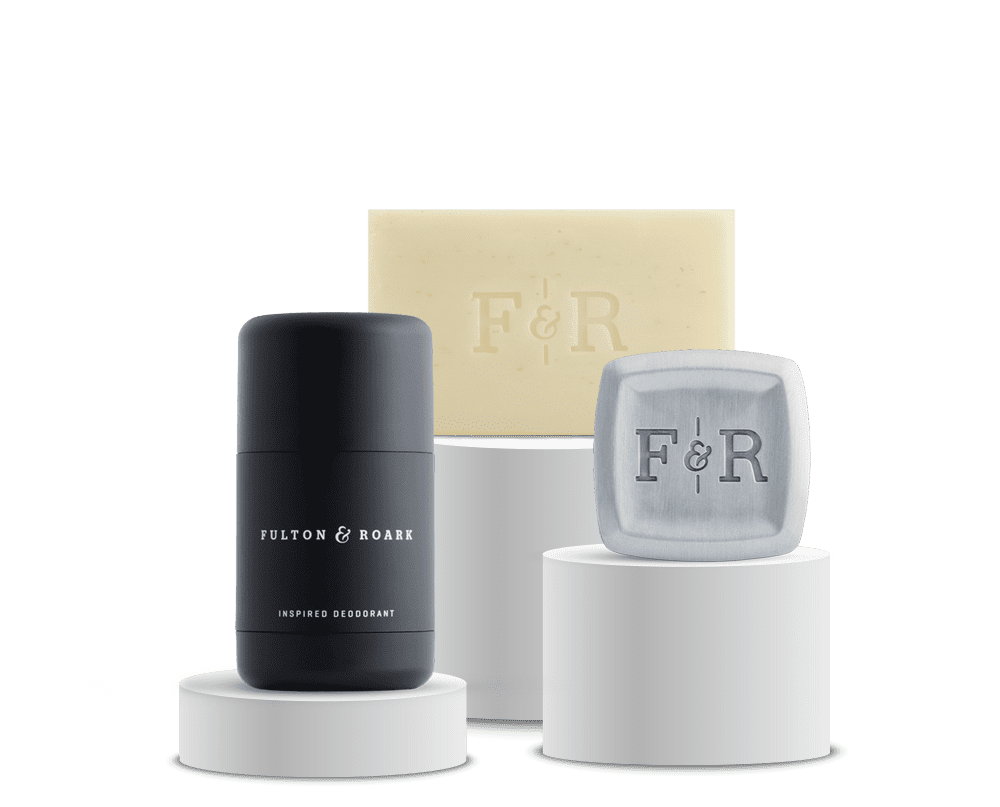 Sets with our Permanent Collection fragranced products
 Rosewood, Ginger, Bergamot
 Highly-concentrated, wax-based, fine fragrances
 Solid Fragrance and Deodorant Refills available
 Forest Air, Lavender, Lemon Rind
 Incense, Vetiver, Cardamom
 Virginia Cedar, Clary Sage
 Rum, Tobacco, Sandalwood
 "Virtual Paper"
 Curated Collection of Fragrance Samples
 Desert Wind, Freesia, Myrrh
 Fresh Rain, Cashmere
 Tuberose, Petitgrain, Patchouli
 Oak, Cloudberry, Tree Moss
 Highly-concentrated spray fragrance
 Orange Bitters, Tonic
 Sea Spray, Juniper, Cypress
 Lavandin, Gravel Ghost, Ironwood
 Amber, Guaiacwood, Osmanthus
 A collection inspired by the rhythm, energy, and elegance of urban life.
 Scents that echo the stark beauty of the vast and arid landscapes.
 Inspired by salt air, ocean breeze, and sunlit shores.
 Ocotillo, Orris, Desert Rain
 Scents that feel like a walk through green, shaded trails.
 Inspired by fresh air, tall trees, and peaceful views.


 Black Plum, Turkish Rose, Tonka


Shipping:
$3.00 USD
Total
$3.00 USD


When we set out to create the best bar soap, we had several big goals in mind.
First, we wanted a soap that left your skin feeling healthy and clean. Second, we wanted a bar that was a pleasure to use. That meant, it needed to smell great, it needed to create a great lather (whether you were using a washcloth or not,) and it needed to last a long time.
Finally, we wanted to make a soap made of ingredients that we felt good about. They had to be safe, good for your skin, and responsibly produced. Below is a list of the ingredients and an explanation of what function they provide. We think you’ll like what you see.
View full article →
Tea Tree oil is inarguably one of the most useful essential oils around. It also has one of the most confusing names in all of the English language.
Also known as the Narrow-leaved Paperbark, the Tea Tree is a small tree native to Australia, with the scientific name, Melaleuca Alternifolia.
Here's the tricky part. The Melaleuca Alternifolia is not at all related to the tree, Camellia Sinensis, which produces the five main types of tea that we drink
View full article →


So often, it feels like we are being told the only way to get good skin is by using this facewash and that shave cream. And while there is truth to that, it’s not everything.
Great skin comes from so much more than what you put on your skin. A healthy complexion is also the result of your overall lifestyle.
Here are a few of our favorite tips to help you achieve the great skin you’re looking for.
View full article →

One of the paradoxes of vetiver is that while its fragrance is often described as "woody," the plant is not a wood at all. The essential oil is distilled from the root of vetiver, a tall grass that grows in floodplains and marshes. Vetiver has a complex chemical composition, which means that there are no shortcuts or synthetics for fragrance makers. However, there is a wide range of fragrance profiles between the different vetivers based on their location. We're partial to Javanese and Haitian Vetiver. While they have a great deal in common with one another, the differences in the soil and climates in which they're grown, the way in which the plants are grown and harvested as well as the methods for distillation all affect the olfactive qualities of vetiver.
View full article →
